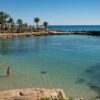
As we approach the month of June, the Andaman Islands have already entered the monsoon season. According to the India Meteorological Department’s latest report, the Southwest Monsoon advanced over the entire Andaman and Nicobar Islands on May 18, 2026, a few days ahead of the predicted onset window of around May 20 to 22. The season is here, and if you are planning a trip in June or July, this guide is written specifically for you.
Every year around this time, we at Dekho Andaman get the same question from travellers: is it actually worth visiting Andaman during monsoon? The short answer is yes, if you plan it right. The plan that works in 2026 looks very different from what most online guides still describe. This article is built from ground-level knowledge of how the islands are operating right now.
What Monsoon Weather in Andaman Actually Looks Like
Rain falls on roughly 30 to 40 percent of days in June. Not constant, and rarely all day. Here is what a typical monsoon day actually looks like on the ground:
- Mornings are the calmest. Sea conditions and weather are most settled between 6 AM and 10 AM. This is the window for ferries, diving, and beach trips.
- Afternoons bring showers. Heavy rain for one to two hours, usually from early afternoon. Clears by evening on most days.
- Temperature holds at 26 to 30 degrees Celsius through June and July. Warm and humid, as the islands are year-round.
- The landscape is at its best. Havelock and Neil forests are at their deepest green. The contrast between thick canopy and the sea is something specific to this season.
The honest trade-off: on overcast days, the famous blue-green colour of the Andaman Sea turns grey-green. You may not get the turquoise water of every travel photo. On a partly sunny day, it comes back. The weather decides, not the operator.
For 2026, IMD’s forecast puts rainfall at 92 percent of the historical monsoon average, meaning slightly less rain than a typical year. This season is expected to be lighter than 2023, 2024, and 2025, all of which were above average.
June vs July vs August: Which Month Is Better
Among the three monsoon months, June is the best window by a clear margin. The first two weeks of June are the most settled period of the entire monsoon season.
- June: Rain on 30 to 40 percent of days. Season is just starting, sea intensity is lower, more clear spells between rain.
- July: Rain on around 50 percent of days. Wind speeds increase. Afternoon ferry cancellations become more frequent. Workable, but demands genuine flexibility.
- August: Most unsettled of the three. Can see stretches of three to six consecutive rainy and windy days. Avoid unless travel dates are completely fixed.
Wind matters more than rain. It is sustained wind, not just rainfall, that causes island closures, rough ferry crossings, and cancelled water activities. Plan around wind, not just rain forecasts.
Monsoon Seasons: Last Three Years at a Glance
Andaman is the first part of India the Southwest Monsoon reaches every year, so the islands always get significant rainfall during this season. The table below shows how the last few seasons compared.
| Season | Rainfall vs Historical Average | Andaman Character | Travel Impact |
|---|---|---|---|
| 2023 (Jun–Sep) | Above average | Near all-time high cumulative rainfall | Frequent rough-sea days. Most challenging recent season. |
| 2024 (Jun–Sep) | Above average (108%) | Active; early onset May 19 | Manageable with planning. Early June had good windows. |
| 2025 (Jun–Sep) | Above average (5th highest on record) | Consistently active | Flexible travellers with morning ferries had good trips. |
| 2026 (Jun–Sep) | Forecast slightly below average (92%) | Expected lighter than recent years | Potentially the most travel-friendly monsoon window in recent seasons. |
Source: India Meteorological Department seasonal reports. 2026 figure is a forecast.
What Is Open and What Is Closed in Monsoon 2026
Open and Recommended
Scuba diving near Havelock Island: The monsoon dive site is Tribe Gate Reef, not Elephant Beach. It sits behind Lawrence Island (also called English Island), which acts as a natural barrier against open-sea swell. Water conditions here remain diveable on most monsoon days. Your operator confirms conditions the morning of the dive.
Neil Island: Fully accessible throughout monsoon. Bharatpur Beach, Laxmanpur Beach, and the natural rock arch are all available. Quieter and more relaxed than Havelock.
Radhanagar Beach: Always accessible. Swimming and wading when sea conditions allow. Colour depends on the sky that day.
Bioluminescence kayaking: Night activity. Sea conditions matter far less than for daytime activities. Runs reliably through June and July and is one of the best Andaman experiences regardless of season.
Port Blair sightseeing: Most options are unaffected by monsoon weather:
- Cellular Jail (last entry by 4:00 PM; evening light show on a reduced monsoon schedule)
- Ross Island and North Bay by speedboat from Phoenix Bay Jetty (runs on non-storm days)
- Corbyn’s Cove Beach
- Samudrika Naval Marine Museum (fully indoor, good rain-day option)
- Chalchitra Andaman Nicobar Film Festival: May 22 to June 13, 2026 at the Anthropological Auditorium, every Friday and Saturday
Red Skin Island: Jolly Buoy Island closes every monsoon season. Red Skin Island opens as its replacement for Marine National Park visits, glass-bottom boat rides, and snorkelling within the park.
Closed or Disrupted
- Elephant Beach boat trips: Closes 30 to 40 percent of days in June, July, and August based on wave height and visibility. The Forest Department issues the closure, not the operator. Reputable operators give 24 hours notice and provide full refunds or rescheduling. Always have a backup plan for your Elephant Beach day.
- Jolly Buoy Island: Closed for monsoon season. Red Skin Island is the open alternative.
- Munda Pahad trek: Officially closed for monsoon season 2026.
Festivals and Events During Monsoon 2026
Monsoon is not just a season to endure. The Andaman administration and tourism department run events specifically for the quieter months. Two are worth planning around if your dates align.
Chalchitra Andaman Nicobar Film Festival
Running every Friday and Saturday from May 22 to June 13, 2026, the Chalchitra Film Festival is organised by the Directorate of Information, Publicity and Tourism (IP&T) in collaboration with the National Film Development Corporation (NFDC). Screenings are held at the Anthropological Auditorium in Sri Vijaya Puram. Entry is free. The festival opened on May 22 with a screening of Jaane Bhi Do Yaaro.
If your trip falls in the first two weeks of June, this is a good indoor option for a rainy evening. The auditorium is fully covered so the screening schedule runs regardless of weather outside.
Monsoon Tourism Festival
The Tourism Department organises the Monsoon Tourism Festival every year in mid-July at Corbyn’s Cove Beach, Port Blair. It typically runs for two to three days and includes cultural performances, beach activities, and local food stalls. In 2024 it was held from July 12 to 14. Confirmed dates for 2026 have not been announced yet at the time of writing. If your trip covers the second or third week of July, check with your hotel or with our team closer to your travel date for the current schedule.
This is an outdoor beach event, so it runs subject to weather conditions. When it does run, it is one of the liveliest public events on the islands outside of the December to April peak season.
What Has Changed in the Last Three Years
Three years ago the advice was simple: avoid Andaman during monsoon. Most operators would stop running, Elephant Beach closed for weeks, and ferry delays of two days on a five-day trip were not unusual. That picture has changed.
- Diving operators now run through monsoon using sheltered sites like Tribe Gate Reef.
- Elephant Beach closures are weather-specific and short-notice rather than season-wide shutdowns.
- Infrastructure around inter-island ferries has improved.
- Operators have backup plans and alternative activities built into their monsoon schedules.
The gap between a good monsoon trip and a frustrating one now comes down to three things: where you dive, which hotels you book, and how much buffer you build into your ferry schedule.
What to Know About Hotels During Monsoon Season
Monsoon is when Andaman resorts do their construction and renovation work. With occupancy lower, properties use this window to build new rooms and complete maintenance that is difficult during peak season. This is a consistent pattern every year.
- Last year, Symphony Palms and Ocean Free went completely offline for major renovation work during the monsoon period.
- This season, Placid Garden and White Sands are building additional rooms. Both are fully operational and accepting bookings, but worth confirming whether any construction is near your allocated room.
Off-season rates drop 30 to 50 percent from peak season. Book early, verify operational status directly with the property, and confirm your room type is ready.
The Monsoon Experience That Most Guides Don’t Describe
Some travellers specifically choose monsoon over peak season. Here is what makes it different:
- The veranda experience. Staying at a beach cottage or sea-facing property during monsoon rain is unlike anything in peak season. Rain sweeps in from the ocean in visible curtains. The forest comes alive with sound. The air smells of wet earth and saltwater.
- Empty beaches. Radhanagar, Neil’s beaches, Kalapathar, all without crowds. The space to walk the full length of a beach without sharing it.
- The forest at its greenest. Havelock and Neil vegetation is at peak intensity. The walk through canopy to the beach looks completely different from November to March.
- For honeymoon couples. The privacy and drama of the sea in monsoon is frequently what couples remember most. Not the postcard version, but this one.
- For families with children. Warm rain on an empty beach is a different kind of holiday. Children remember this version of Andaman distinctly.
- The trade-off is real. Some days will be grey. The sea colour may be muted. Sunsets are not guaranteed. Come knowing this and monsoon Andaman will likely exceed expectations.
Why a Longer Stay Makes More Sense for Monsoon Travel
The standard recommendation for Andaman is 4 nights 5 days. For a monsoon trip, we recommend a minimum of 6 nights 7 days. Here is why the math works in your favour:
- Rain days become buffer days, not wasted days. On a 4N5D trip, one disrupted day means you miss an activity permanently. On a 6 to 7 night trip, a disrupted day simply shifts to the next one. The itinerary recovers itself without any damage.
- Monsoon is the cheapest time to visit. Hotel rates drop 30 to 50 percent. Flights are cheaper. Ferry seats are easy to find. Adding two extra nights in June costs a fraction of what those same nights would cost in December. Staying longer is the financially smart decision in this season.
- Last-minute flexibility is actually available. In peak season, ferries fill up days in advance and hotels require advance booking. In monsoon, you can rebook a ferry the night before, extend your hotel stay by a day, and adjust your island sequence without penalty. This flexibility only exists in the off-season.
Suggested Framework: 6 Nights 7 Days
This is a framework, not a fixed schedule. The day-to-day plan should flex with weather and sea conditions on the ground.
- Day 1: Arrive Port Blair. Cellular Jail in the afternoon. Evening light show (check current monsoon schedule).
- Day 2: Port Blair sightseeing. Ross Island and North Bay by speedboat (morning, before seas pick up). Corbyn’s Cove or Samudrika Museum in the afternoon.
- Day 3: Morning ferry to Havelock Island (6:00 AM or 6:30 AM departure only). Check in. Radhanagar Beach in the afternoon.
- Day 4: Scuba diving at Tribe Gate Reef (morning). Attempt Elephant Beach (afternoon, operator confirms on the day). Bioluminescence kayaking in the evening.
- Day 5: Buffer day at Havelock. If Elephant Beach was cancelled on Day 4, use today. If Day 4 went well, use today for Kalapathar Beach, a second dive, or simply time on the island without a schedule. This is the most important day in a monsoon itinerary.
- Day 6: Morning ferry to Neil Island (via Havelock, no direct Port Blair to Neil ferry). Bharatpur Beach snorkelling if conditions allow. Late afternoon at Laxmanpur Beach 2 natural rock arch.
- Day 7: Morning ferry from Neil Island to Port Blair. Minimum three to four hour buffer before departure flight.
If you can extend to 7 nights 8 days: add a second night at Neil Island. One night at Neil is not enough to experience it properly. Two nights with a full day between ferries is significantly more enjoyable, and in monsoon the extra night costs very little.
Ferry Rules and Practical Tips for Monsoon Travel
Book only morning departures. Reliable window from Port Blair to Havelock is 6:00 AM to 8:30 AM. Afternoon services from 12:00 PM onward are frequently cancelled from June through September.
No direct private ferry from Port Blair to Neil Island. The Makruzz direct service launched in late 2025 is discontinued. Route is Port Blair to Havelock first, then Havelock to Neil.
Fewer sailings run during monsoon. Operators reduce their schedules in line with lower passenger numbers. Check the updated monsoon timings on our Port Blair to Havelock ferry page and Havelock to Neil Island ferry page before locking in your itinerary, and book your preferred morning sailing as soon as your dates are confirmed.
The sea will be choppy on most crossings. Port Blair to Havelock, Havelock to Neil, Neil to Port Blair. Rough rolling water is the norm, not the exception, during monsoon. If this is your first ocean ferry:
- Eat a light breakfast before boarding, not a full meal
- Carry sea-sickness tablets and take one before you board
- Choose the upper deck over the lower deck. Open air handles the motion better
- Go with private ferry operators over government vessels. Faster, more comfortable, better suited to choppy conditions
Avoid two-wheelers during monsoon. Renting a scooter or bike is a popular choice in peak season but island roads on Havelock and Neil get wet, muddy, and slippery during rain. It is not worth the risk. Book our cab service in Andaman instead. Safer in wet conditions, more practical when you are carrying bags, and off-season rates make it an easy decision.
Build a buffer before your departure flight. Minimum three to four hours between ferry arrival at Port Blair and your flight. A weather-delayed ferry on the same day as your return flight will cause you to miss it. Operators are not liable for flight misses caused by delays.
Plan Your Monsoon Trip with People Who Know the Islands
Monsoon conditions shift week to week. An activity running smoothly in the first week of June may be disrupted in the second. Ferry schedules adjust. Hotel construction finishes or starts. These variables are not visible months in advance from a search results page.
We at Dekho Andaman are based on the islands and operate here through every season, monsoon included. We know which dive operators are running, which hotels are fully ready, and which ferry slots are reliable in the current schedule. When an activity cancels at short notice, we have a replacement ready. When a ferry needs rebooking due to weather, we handle it directly with the operator.
A monsoon trip rewards local knowledge more than a peak-season trip does. If you are planning a June or July 2026 visit, speak to our team before finalising your itinerary. We will give you an honest picture of current conditions and build a plan that accounts for them.
Frequently Asked Questions About Andaman Monsoon Travel
Can you visit Andaman during monsoon season?
Yes. Ground conditions have changed significantly over the last three years. Most key activities continue through monsoon. June is the best month. Avoid August for the most predictable experience.
Is scuba diving possible in Andaman during monsoon?
Yes. The main monsoon dive site is Tribe Gate Reef near Havelock, naturally sheltered by Lawrence Island. It remains diveable on most monsoon days. Your operator confirms conditions the morning of the dive.
Will Elephant Beach be open during my visit?
Elephant Beach closes on 30 to 40 percent of days in June, July, and August. Closure is communicated 24 hours in advance with full refunds or rescheduling. Always have a backup plan ready.
Which monsoon month is best for Andaman: June, July or August?
June is best by a clear margin. The first two weeks are the most settled. July and August bring higher rain frequency, stronger winds, and possible multi-day disruption patches.
Are ferries running during monsoon in Andaman?
Yes, but only morning sailings are reliable and the schedule is reduced. Book the 6:00 AM or 6:30 AM Port Blair to Havelock departure. No direct private ferry from Port Blair to Neil Island. Carry sea-sickness tablets and choose the upper deck on a private operator ferry.
Is it cheaper to visit Andaman in monsoon?
Considerably cheaper. Hotel rates drop 30 to 50 percent and flights are lower-priced. A 6 to 7 night monsoon stay typically costs less than a 4-night peak season trip, and gives you the buffer days that make monsoon travel work properly.
What should I pack for an Andaman monsoon trip?
Light rain jacket, quick-dry clothes, waterproof bag for electronics, sandals for beach and rain, sunscreen, and sea-sickness tablets. Temperatures stay between 26 and 30 degrees Celsius.
Is the 2026 Andaman monsoon forecast heavy?
IMD’s 2026 forecast puts rainfall at 92 percent of the historical average, meaning slightly less rain than a typical monsoon year. The last three seasons were all above average, so 2026 is expected to be the lightest in recent years.